
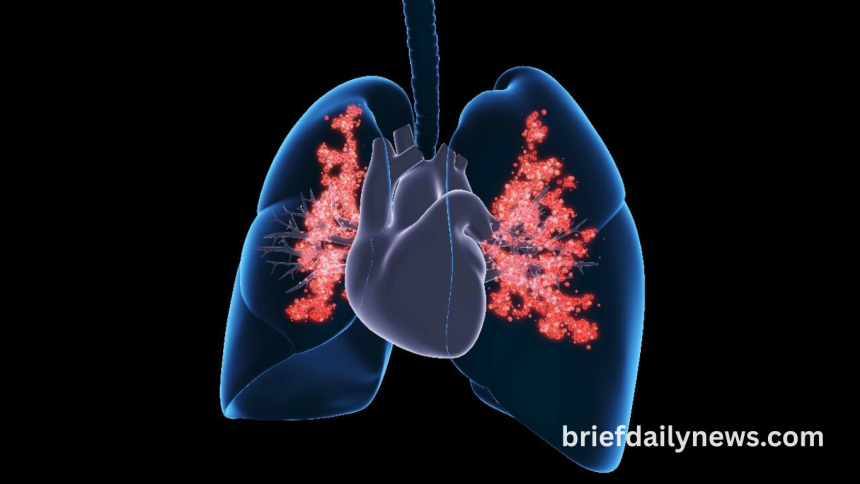
Lung cancer has long been associated primarily with smoking and environmental factors. However, groundbreaking new research reveals that what we eat could significantly influence our lung cancer risk. Scientists have discovered surprising dietary connections that may either heighten vulnerability or offer protection against this deadly disease.
This revelation sheds light on the crucial role of nutrition beyond the more obvious risk factors. As researchers delve deeper into the data, it becomes increasingly clear that diet plays a much larger part in lung health than previously thought. Understanding these links could pave the way for better prevention strategies and empower individuals to make healthier lifestyle choices.
How Diet Influences Lung Cell Health
Recent studies show that certain nutrients either support or damage lung tissue at the cellular level. Antioxidant-rich foods may protect against oxidative stress, while high-fat, processed diets could increase inflammation and cancer susceptibility.
The Role of Antioxidants in Lung Cancer Prevention
Fruits and vegetables rich in antioxidants like vitamins C and E help neutralize free radicals, reducing DNA damage in lung cells. A diet high in these nutrients may lower the risk of developing lung cancer over time.
The Hidden Dangers of Processed Foods
Processed meats, refined sugars, and trans fats have been linked to chronic inflammation, a known precursor to cancer. These foods may create an internal environment that encourages tumor growth, even in non-smokers.
Plant-Based Diets and Reduced Lung Cancer Risk
Plant-based diets, filled with legumes, grains, fruits, and vegetables, appear to significantly decrease lung cancer risk. Scientists believe this is due to a combination of high fiber, phytonutrients, and anti-inflammatory properties.
Read More : Weight Gain Might Be Linked to Lifestyle Instability Not Just Calories
How Gut Health Connects to Lung Cancer
Emerging evidence suggests the gut-lung axis plays a crucial role. A healthy gut microbiome, supported by fiber-rich and fermented foods, may influence immune responses and reduce lung cancer risk.
Nutritional Deficiencies and Increased Vulnerability
Deficiencies in critical vitamins and minerals such as vitamin D, folate, and selenium have been associated with greater lung cancer risk. Maintaining balanced nutrition is vital for lung tissue resilience and immune defense.
Frequently Asked Questions
Can diet alone prevent lung cancer?
No, diet is one factor among many. It can reduce risk but cannot guarantee prevention, especially in high-risk individuals like smokers.
Which foods are best for lung health?
Foods rich in antioxidants, fiber, and healthy fats — such as leafy greens, berries, nuts, and fatty fish — are excellent for lung health.
Are there specific foods that increase lung cancer risk?
Yes, processed meats, fried foods, and foods high in trans fats have been linked to an elevated lung cancer risk.
How does smoking interact with diet-related risks?
Smoking amplifies the adverse effects of a poor diet, making it even more critical for smokers or ex-smokers to adopt a nutrient-rich eating plan.
Is there a link between sugar intake and lung cancer?
High sugar intake can lead to systemic inflammation, which is a risk factor for many cancers, including lung cancer.
Can vitamin supplements lower lung cancer risk?
Whole foods are the best source of nutrients. Some studies suggest that excessive supplementation, particularly of beta-carotene in smokers, may increase cancer risk.
How soon can dietary changes impact lung cancer risk?
While immediate effects vary, adopting a healthy diet consistently over months or years can significantly reduce long-term risk.
Are plant-based diets recommended for those at high risk of lung cancer?
Yes, plant-based diets are generally recommended as they lower inflammation and supply essential nutrients that support lung health.
Conclusion
The discovery of a link between diet and lung cancer risk highlights the profound impact of our food choices. While smoking remains the top risk factor, maintaining a nutrient-dense, antioxidant-rich diet can play a critical role in lung cancer prevention. Prioritizing healthy eating habits today can lead to stronger, healthier lungs tomorrow. Consider consulting a nutritionist to personalize your diet for better lung health.