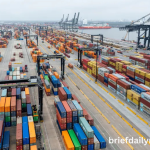


India’s trade routes through Pakistan are critical for commerce between India and several countries in the region, especially Afghanistan and Central Asia. However, due to ongoing geopolitical tensions and strained relations, India is poised to face a significant economic loss. A recent estimate suggests India could lose up to $1.14 billion in trade via these crucial routes. The blockade of trade routes is expected to have long-term impacts, affecting not only the businesses directly involved but also regional trade dynamics.
Trade through Pakistan has been historically crucial for India, providing access to key markets that would otherwise be more challenging to reach. With tensions escalating, both governments have implemented measures that restrict or entirely halt the movement of goods, leaving India with fewer viable alternatives. This situation underscores the vulnerability of trade networks in geopolitically sensitive areas and raises questions about future trade strategies.
Economic Impact of Pakistan Route Blockages
The disruption of trade via Pakistan routes could potentially result in a $1.14 billion loss for India, as goods destined for Afghanistan and Central Asia face delays or rerouting. Trade via Pakistan has long been an essential pathway for Indian goods to these regions, and blocking access severely hampers supply chains. The loss also puts pressure on India’s overall trade balance, potentially leading to higher transportation costs and more complex logistical arrangements as alternative routes are sought.
Additionally, the price of goods might increase, especially for industries dependent on raw materials and finished products from Central Asia. The financial setback not only impacts India’s trade volume but also threatens job creation and economic activity in various sectors reliant on these export routes. This is a crucial reminder of the interconnectedness of regional economies and the ripple effects of political decisions on global commerce.
Regional Trade Dynamics Affected
The trade disruption via Pakistan’s routes will likely have a profound impact on regional trade dynamics. India’s trade relations with Central Asia, often mediated through Pakistan, face immediate setbacks. These regions are vital for India’s energy security and for expanding its trade network. With alternatives, such as longer sea routes or increased reliance on air freight, becoming more expensive, India’s competitors may find it easier to dominate the market, further hurting India’s position in the region.
Read More : Tesla Likely to Benefit Most from New Self-Driving Car Crash Rules
Countries that were previously reliant on these trade routes may also face economic challenges, which could lead to changes in alliances and trade partnerships in the future. India must reconsider its trade strategies and potentially invest in creating more sustainable, politically stable routes to minimize future trade disruptions.
Increased Transportation Costs
One of the immediate consequences of disrupted trade routes is the rise in transportation costs. Goods moving to Central Asia through Pakistan are now likely to incur higher shipping expenses as traders turn to alternative routes, which could include passing through Iran, China, or using sea routes. These alternatives add time and money, significantly increasing the cost of goods, which may then be passed on to consumers.
The added transportation costs could affect businesses that rely on these trade routes, especially small to medium enterprises that may not have the financial flexibility to absorb these additional expenses. It could also lead to an inflationary effect on the prices of goods within the region, affecting both the exporters and the end consumers.
Shifting Focus to New Trade Routes
As a result of the trade blockade, India is likely to shift its focus to finding new trade routes that bypass Pakistan. This could involve strengthening ties with countries such as Iran and increasing the use of the Chabahar Port, a strategic route that connects India to Afghanistan and beyond. Developing these alternative routes may take time and resources but could offer long-term benefits for India’s trade relationships.
India could also explore more air freight options, though these are often less cost-effective than land or sea routes. However, investing in infrastructure projects aimed at bypassing Pakistan could provide India with more security and stability in its trade networks, allowing it to weather geopolitical tensions better in the future.
Frequently Asked Questions
How will the trade loss affect India’s economy?
India’s economy may suffer from increased transportation costs and decreased trade volume, which could impact businesses that rely on exports to Central Asia and Afghanistan.
Why is Pakistan a vital trade route for India?
Pakistan provides a direct land route to Afghanistan and Central Asia, which is crucial for accessing key markets for Indian goods, especially in the energy and construction sectors.
What is the $1.14 billion trade loss estimate based on?
The $1.14 billion estimate reflects the potential value of goods that will no longer be able to transit through Pakistan due to trade route blockages.
What alternative routes can India use to mitigate this loss?
India can bypass Pakistan using routes via Iran and China and the sea route to the Arabian Sea, though these may be more expensive and time-consuming.
How will the disruption affect regional trade?
Regional trade dynamics will be altered, and countries relying on these routes will face delays and higher costs. India may lose its competitive edge in the region.
Can India sustain long-term reliance on these alternative routes?
While alternatives exist, they come with challenges, such as higher costs and longer transit times. Long-term reliance on these routes will require strategic investment.
Is the loss permanent or temporary?
The loss may be temporary if new trade routes are established and geopolitical relations improve, but it will require significant time and effort.
What is the impact on businesses in India?
Businesses, particularly SMEs, will face higher costs, which may lead to price increases and reduced competitiveness in global markets.
Conclusion
India’s potential trade loss of $1.14 billion due to the disruption of Pakistan routes highlights the vulnerability of regional trade. Moving forward, India will need to diversify its trade routes and explore long-term alternatives to avoid further economic setbacks.