
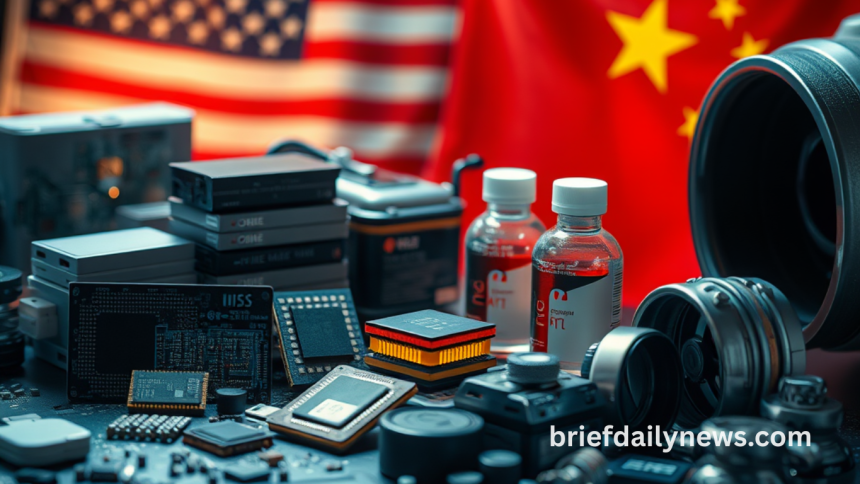
In a surprising move, China has quietly exempted certain U.S.-made products from its tariffs, providing relief for American businesses. This development comes amid ongoing trade tensions between the two nations, which have been characterized by a series of tariff hikes over the past few years. While the details of the exemptions are still unfolding, the decision is likely to impact sectors such as electronics, pharmaceuticals, and industrial goods.
The removal of tariffs on select American products signals a shift in China’s trade policy, possibly aimed at easing the economic strain caused by the prolonged trade war. The exemption could also serve as a signal for better diplomatic relations and a potential negotiation avenue between the U.S. and China. As both economies navigate post-pandemic recovery, the new exemptions may offer a temporary boost to trade.
China’s Decision to Lift Tariffs on U.S. Goods
China’s recent move to exempt certain U.S.-made products from tariffs is a sign of flexibility in its trade stance. These exclusions primarily affect high-tech and industrial products, which were among the hardest hit by the tariffs imposed in the previous trade war. By easing these tariffs, China is providing U.S. manufacturers a chance to regain market share and reduce supply chain disruptions. The exemptions are likely part of China’s strategy to manage domestic production costs and sustain its economic recovery efforts.
The decision also reflects China’s intention to ease tensions with the United States, offering a potential thaw in relations that a complex mix of competition and cooperation has marked. While the specific products exempted remain to be fully disclosed, experts suggest this could be a broader attempt to stabilize bilateral trade flows and ensure economic stability in both countries.
The Impact of Exemptions on U.S. Businesses
The tariff exemptions can offer significant benefits to U.S. businesses that rely on exporting goods to China. For many sectors, including technology and healthcare, Chinese tariffs have made American products more expensive and less competitive in the Chinese market. The recent exemption allows companies in these sectors to regain a competitive edge, potentially leading to higher export volumes and greater market access.
Furthermore, American companies might also see a reduction in costs associated with goods imported from China. As these products now face fewer tariffs, the overall cost of doing business for U.S. firms could drop, benefiting both manufacturers and consumers alike. The move comes at a time when both economies are looking to recover from the economic disruptions caused by the global pandemic.
Potential for Further Tariff Adjustments
While China’s decision to exempt some U.S.-made products from tariffs is a welcome change, it remains uncertain whether this trend will continue. Many trade analysts speculate that this could be the first step in broader tariff reductions or exemptions, depending on the ongoing trade talks between China and the U.S. Other sectors could also see similar relief in the future.
Read More : American Consumers Serve Up Bleak Outlook
The decision to lift tariffs could also signal China’s willingness to engage in new trade negotiations with the U.S. to reduce broader trade barriers. With the potential for future tariff adjustments, U.S. businesses should stay informed about these developments and strategically plan their operations to take full advantage of any new trade policies that emerge.
China-U.S. Trade Relations in the Future
Looking ahead, the future of China-U.S. trade relations remains uncertain. The exemptions are a step toward mending ties, but there are still many unresolved issues between the two countries, including intellectual property disputes, market access, and other economic concerns. Both governments have a vested interest in fostering positive economic relations, but the path to lasting stability will require careful negotiations and mutual concessions.
Although tariff exemptions are a positive sign, businesses and policymakers alike will need to continue monitoring the trade landscape to understand how these changes will shape the long-term relationship between China and the United States.
Frequently Asked Questions
What products are exempt from Chinese tariffs?
The exact list of products is not fully disclosed, but it includes certain high-tech goods, industrial products, and medical items.
How does this impact U.S. businesses?
U.S. businesses can now export products to China without facing the steep tariffs that previously made their goods less competitive in the Chinese market.
Is this a permanent exemption?
The exemptions are temporary and may be extended or adjusted depending on future trade negotiations between China and the U.S.
Why is China removing tariffs on U.S. products?
China’s decision is likely to ease economic tensions, reduce supply chain disruptions, and foster better trade relations with the U.S.
Which sectors are most affected by the tariff exemptions?
The exemptions primarily affect sectors such as technology, pharmaceuticals, and industrial equipment.
Could more U.S. products be exempted in the future?
There is speculation that China may lift tariffs on more U.S. goods as part of broader trade negotiations and efforts to stabilize the economy.
How do these exemptions affect China’s economy?
The exemptions could help China reduce the cost of certain imported goods, supporting its industrial and technological sectors.
What does this mean for future trade talks between the U.S. and China?
The exemptions could signal a desire for improved relations and might pave the way for more favorable trade negotiations.
Conclusion
China’s decision to exempt some U.S.-made products from tariffs marks a significant shift in trade policy, potentially easing tensions and benefiting businesses in both nations. As the trade landscape evolves, companies should remain alert to future developments that could influence their operations. For now, the exemptions offer a promising opportunity for U.S. exports and greater market access in China.