

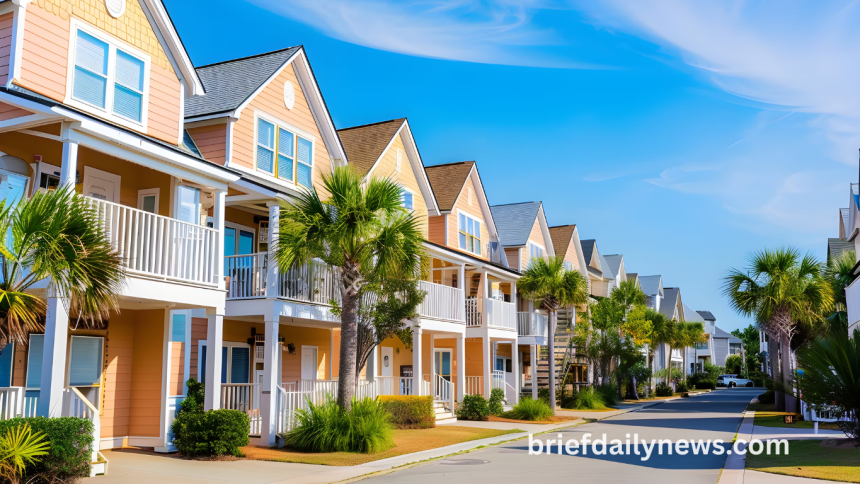
The rise of short-term rentals has dramatically transformed the global real estate market. Platforms like Airbnb and Vrbo have made it easier for property owners to rent out their spaces for a limited period, opening new income opportunities and changing the way people experience travel. These rental models have disrupted traditional hospitality, shifting customer preferences and expectations.
At the same time, short-term rentals have created new challenges for local governments and the housing market. While providing flexibility and affordable options for travelers, they have also contributed to rising rental prices and the displacement of long-term tenants. This article explores how short-term rentals are reshaping markets, affecting everything from property values to local economies.
The Impact on Traditional Hospitality Industry
Short-term rentals are giving the traditional hotel industry a run for its money. Travelers now have more diverse options, from boutique homes to entire apartments, that offer personalized experiences at competitive prices. The convenience and uniqueness of staying in a private home or apartment have made these rentals more appealing compared to standard hotel offerings. However, hotels have begun adapting by enhancing their services and embracing technology to match the growing demand for authentic travel experiences.
Moreover, the rise of short-term rentals has led to a shift in customer expectations. People are now looking for flexibility, local flavor, and the ability to connect with hosts on a deeper level. As a result, many hotels are reevaluating their offerings and implementing strategies to attract a new, experience-driven clientele.
Changes in Real Estate and Property Values
Short-term rentals have significantly impacted the real estate market, particularly in urban areas. Property owners have increasingly turned to platforms like Airbnb to generate income, often opting to rent out their homes rather than commit to long-term leases. This shift has led to increased demand for properties in desirable locations, driving up property prices in specific markets.
In some cities, the demand for short-term rentals has even outpaced traditional rental markets, making it harder for locals to afford long-term housing. This has sparked debates over housing affordability and the role of short-term rental companies in exacerbating the issue. As a result, local governments are implementing stricter regulations to balance the needs of tourists and residents.
Economic Benefits for Local Communities
Short-term rentals can inject significant revenue into local economies. When travelers stay in residential areas, they often spend money at local businesses such as restaurants, shops, and entertainment venues. This has created new opportunities for small business owners and helped revitalize specific neighborhoods.
Read More : How Does Real Estate Use Data Analytics?
In addition, short-term rentals have given rise to a new workforce, including cleaners, property managers, and maintenance workers, who contribute to the local economy. These roles offer flexibility and often serve as supplementary income for many individuals, enhancing the economic fabric of local communities.
Regulatory Challenges and Local Government Response
As short-term rentals have proliferated, local governments have faced challenges in regulating them. Some cities have introduced licensing requirements, caps on the number of days a property can be rented, or restrictions on the locations where short-term rentals can operate. These regulations aim to preserve affordable housing for locals while still allowing property owners to take advantage of short-term rental income.
The complexity of enforcing these regulations has led to a patchwork approach, with each city or region adopting different rules. This inconsistency has created confusion for property owners and tourists alike, making it essential for authorities to strike a balance that protects both the local housing market and the growing demand for short-term rentals.
Short-Term Rentals and Tourism Trends
The growing popularity of short-term rentals has also influenced tourism trends. Travelers are increasingly seeking unique, personalized experiences over conventional hotel stays. This shift has led to a rise in “living like a local” travel experiences, where visitors stay in neighborhoods and immerse themselves in the culture of the area.
Additionally, short-term rentals have made it easier for people to travel for extended periods, work remotely, or take long vacations. As digital nomadism continues to rise, short-term rentals are becoming a key accommodation choice for people looking to balance work and leisure in a variety of destinations.
Environmental Impact of Short-Term Rentals
While short-term rentals have brought economic benefits, their environmental impact cannot be overlooked. Increased demand for these rentals can lead to more energy consumption and waste production in residential areas. Additionally, some argue that short-term rentals contribute to overcrowding in popular tourist destinations, which can strain local resources and lead to environmental degradation.
Sustainability is becoming an essential consideration for both hosts and guests, with some opting for eco-friendly accommodations and practices. As the market grows, greater awareness of the environmental impact and ways to mitigate adverse effects is needed.
Frequently Asked Questions
What are short-term rentals?
Short-term rentals refer to accommodations rented out for a short duration, typically for days or weeks, often through platforms like Airbnb or Vrbo.
How do short-term rentals affect the housing market?
They can drive up property prices and reduce the availability of long-term rental housing, leading to affordability issues in some areas.
Are short-term rentals regulated?
Yes, many cities and countries have regulations, such as licensing requirements and restrictions on the number of days a property can be rented.
Do short-term rentals impact local businesses?
Yes, short-term rentals can boost local economies by encouraging travelers to spend money at nearby restaurants, shops, and attractions.
How do short-term rentals affect hotels?
The rise of short-term rentals has forced hotels to rethink their business models, focusing on unique offerings and personalized experiences to compete.
Can short-term rentals be eco-friendly?
Some hosts adopt sustainable practices, such as energy-efficient appliances or waste reduction measures, to minimize the environmental impact of short-term rentals.
Are short-term rentals safe?
Most platforms have safety protocols in place, but travelers and hosts should always take precautions and check reviews for reliability and security.
How do short-term rentals influence tourism trends?
Short-term rentals have made travel more accessible and affordable, leading to more extended stays and more immersive travel experiences.
Conclusion
Short-term rentals are transforming traditional markets and reshaping hospitality, real estate, and local economies. While they offer many benefits, such as increased revenue and unique travel experiences, they also present challenges, including housing affordability and environmental concerns. As the market grows, it’s crucial to find a balance that supports both hosts and local communities.