

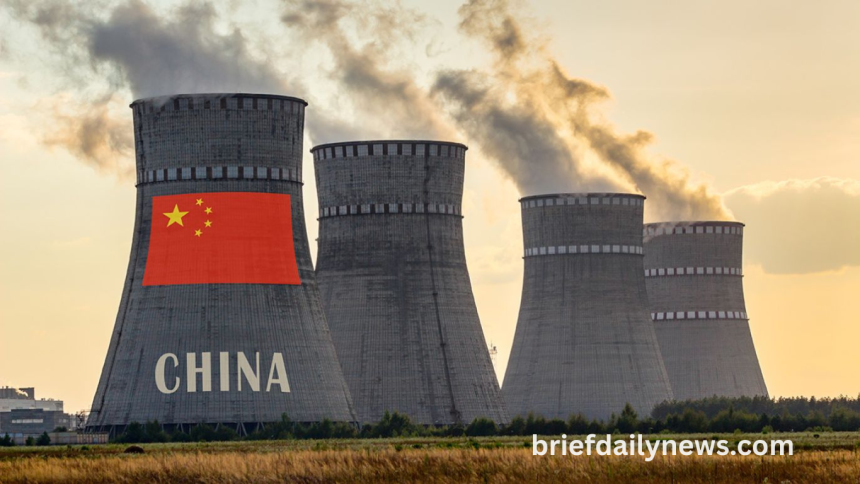
China is accelerating its commitment to clean and efficient energy by approving the construction of 10 new nuclear reactors. This significant move underlines the country’s ambitious goals to diversify its energy sources, reduce carbon emissions, and bolster energy security amid growing demands. The approvals come as part of a broader strategy to meet China’s climate pledges, including achieving carbon neutrality by 2060.
The newly approved reactors highlight China’s confidence in nuclear power technology as a reliable, sustainable solution for future energy needs. With the world’s second-largest economy experiencing rapid industrialization and urbanization, expanding nuclear capacity is seen as essential to balancing economic growth with environmental responsibilities. Experts believe this ramp-up will significantly influence the global nuclear energy landscape, inspiring investments and innovations across the sector.
China’s Strategic Shift Toward Nuclear Energy
China’s decision to greenlight 10 new reactors reflects a deliberate shift towards low-carbon energy solutions. Nuclear energy offers a stable, large-scale alternative to fossil fuels, helping China mitigate its dependence on coal while advancing its climate goals.
Economic Growth and Energy Demand Drive Expansion
With continuous economic growth, China’s demand for electricity is skyrocketing. Expanding the nuclear sector ensures a steady, reliable energy supply to power industries, cities, and infrastructure projects without exacerbating pollution problems.
Safety Standards and Technological Advancements in New Reactors
The newly approved reactors will incorporate cutting-edge safety technologies and design innovations. China is focusing on adopting third-generation nuclear technologies, which promise improved efficiency, reduced waste, and higher safety margins.
Impact on Global Nuclear Industry and Supply Chains
China’s ramp-up of nuclear power is poised to influence global supply chains for reactor components, uranium, and technical expertise. Countries and companies involved in the nuclear energy sector are likely to find new opportunities and partnerships emerging from this expansion.
Read More : Microsoft Is Releasing Windows Recall Tool After Security Fixes
Nuclear Power’s Role in China’s Carbon Neutrality Goals
Achieving carbon neutrality by 2060 demands a radical transformation of China’s energy mix. Nuclear power, with its zero-emission operation, will play a critical role alongside renewables like wind and solar, forming the backbone of a sustainable future.
Regional Development and Energy Security Enhancements
The construction of new reactors is also beneficial for regional economies, creating jobs, infrastructure, and long-term energy security. It also ensures a more resilient and decentralized energy network, which is vital for maintaining national stability and growth.
Frequently Asked Questions
Why is China building more nuclear reactors?
China aims to meet rising energy demands while reducing its reliance on coal and achieving carbon neutrality goals.
What types of reactors are being approved?
Most new reactors are third-generation designs featuring enhanced safety and efficiency, such as the Hualong One model.
How does nuclear power help in reducing carbon emissions?
Nuclear plants produce electricity without emitting greenhouse gases during operation, helping to combat climate change.
When will these new reactors become operational?
While timelines vary, many reactors are expected to be operational within the next 5 to 8 years.
Is nuclear energy safe?
Modern reactor designs have significantly improved safety standards, minimizing risks associated with older technologies.
How does this move affect China’s international relations?
China’s nuclear expansion strengthens its position as a global leader in clean energy technology and may boost international collaborations.
Will this expansion impact global uranium demand?
Yes, increased nuclear development will likely drive up demand for uranium and associated fuel cycle services.
Are there any environmental concerns with new nuclear plants?
While nuclear plants emit no carbon, issues such as radioactive waste management and thermal pollution require careful regulation.
Conclusion
China’s approval of 10 new nuclear reactors signals a bold step toward a cleaner, more secure energy future. This move not only strengthens its domestic energy landscape but also sets a global example in pursuing sustainable development. As the world looks for solutions to the climate crisis, nuclear energy will remain a critical piece of the puzzle. Stay informed on global energy trends as they reshape our future.