
In recent trade negotiations, China is considering lifting tariffs on certain US goods. This potential policy shift is part of broader efforts to ease trade tensions and boost economic cooperation between the two largest economies in the world. If implemented, this decision could have significant implications for industries on both sides, potentially improving market access and trade relations.
As both nations continue to navigate the complex landscape of international trade, any move to reduce tariffs is seen as a step toward stabilizing the global economy. This article explores the reasons behind China’s tariff reconsideration, its potential impact on businesses, and what it could mean for future relations between the US and China.
Factors Influencing China’s Decision to Lift Tariffs
Several economic factors influence China’s decision to reconsider tariffs on US goods. One primary consideration is the ongoing trade tensions between the two countries. Over the past few years, tariffs have been a significant tool in trade disputes, affecting industries ranging from agriculture to technology. By lifting these tariffs on select goods, China could signal a willingness to restore smoother trade relations.
Moreover, the move could be seen as an effort to reduce domestic inflation and encourage competition. As global supply chains recover from disruptions caused by the pandemic, lifting tariffs may help lower costs for Chinese manufacturers and consumers. This could also give US businesses a better chance of tapping into the rapidly growing Chinese market once again.
Economic Impact on US and Chinese Markets
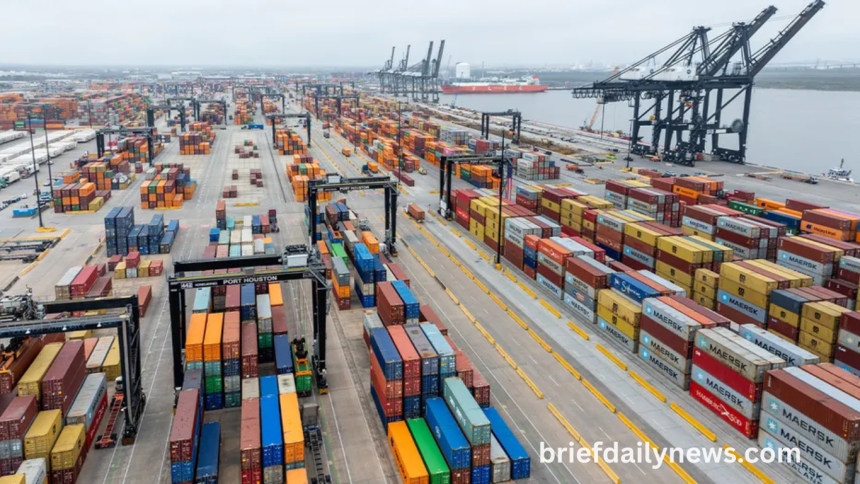
The potential removal of tariffs could lead to a surge in American goods exports to China, particularly in sectors like agriculture, machinery, and energy. For US farmers, the lifting of tariffs could mean better access to China’s vast market, which was once a crucial trade partner before tariffs were implemented. This change could bring about a much-needed recovery for sectors struck by the trade war.
Read More : India to suffer $1.14b trade loss via Pakistan routes
Reducing tariffs could lead to a more diversified range of products for China, potentially driving down consumer costs and improving business market conditions. By alleviating some of the economic strain caused by high tariffs, China could see benefits in the form of increased consumer spending and industrial output.
How Lifting Tariffs Could Influence Global Trade Relations
If China proceeds with lifting tariffs on US goods, it could have far-reaching effects on global trade relations. This change may lead other countries to reassess their trade policies with China, especially those impacted by US-China tariffs. The global market could experience a shift in trade flows as other nations may seek to capitalize on the improved trade environment between the US and China.
Additionally, this development might prompt other countries to enter trade agreements with China, leveraging the reduction in tariffs to strengthen economic ties. It could signal a broader trend of economic collaboration in the coming years, fostering stability in global markets.
Frequently Asked Questions
Why is China considering lifting tariffs on US goods?
China is considering lifting tariffs to ease trade tensions, stimulate economic growth, and reduce inflationary pressures within its domestic market.
What goods might be affected by the tariff removal?
China may lift tariffs on select US agricultural products, machinery, and technology items, but the final decision will depend on ongoing negotiations.
How will this affect US farmers?
US farmers could benefit from increased access to China’s market, as tariffs on agricultural goods like soybeans and pork might be lifted, improving their export opportunities.
What industries in China will benefit the most?
Chinese manufacturers and consumers could see lower costs, especially in sectors reliant on imported machinery, energy, and consumer goods from the US.
What are the political implications of lifting tariffs?
Politically, it signals a shift towards cooperative trade relations, which could improve diplomatic ties between the US and China.
Will this change affect global trade?
Yes, lifting tariffs could create new trade dynamics, prompting other countries to reassess their trade policies with China and potentially boosting global trade.
How likely is it for China to follow through with this decision?
The decision is contingent on ongoing negotiations, but significant pressure from both domestic and international markets is mounting for China to reconsider its tariff policies.
Could lifting tariffs lead to a long-term trade agreement?
If successful, this move could pave the way for more comprehensive trade agreements between the US and China, reducing the possibility of future tariffs.
Conclusion
The potential decision to lift tariffs on select US goods marks a pivotal moment in US-China trade relations. While the exact details are still under negotiation, the move promises to improve bilateral ties and benefit global markets. As discussions continue, it’s essential to monitor these developments closely for any significant changes to international trade.