
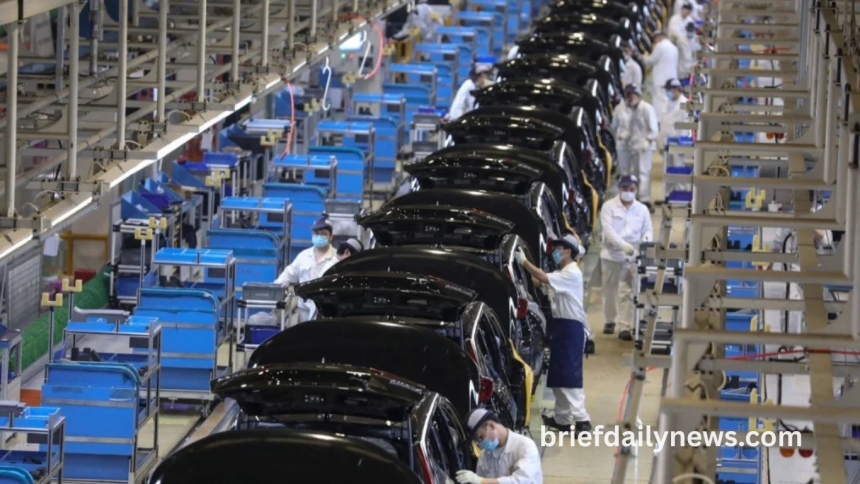
Amid ongoing trade discussions, Japan is weighing the possibility of relaxing its car safety regulations for vehicles exported to the United States. This move could be a key part of broader negotiations aimed at resolving trade tensions between the two nations. With the U.S. imposing tariffs on Japanese cars in the past, relaxing safety standards may serve as a way for Japan to reduce these trade barriers while maintaining its competitive edge in the global automotive market.
This proposal is significant not only because of its potential economic impact but also due to the broader implications it could have on global car safety standards. If Japan alters its regulations, it could set a precedent for other countries in trade negotiations, potentially shifting the global automotive landscape. The outcome of these discussions may reshape the future of U.S.-Japan trade relations and the automotive industry as a whole.
Japan’s Proposal to Relax Car Safety Regulations
In an effort to resolve ongoing trade tensions with the United States, Japan is considering a proposal to ease its car safety rules for imported vehicles. Currently, Japan requires cars to meet stringent safety standards that are often more rigorous than those in the U.S. By relaxing these regulations; Japan hopes to boost the competitiveness of its car exports, which are subject to high tariffs under U.S. trade policies. The move could signal a shift in Japan’s trade approach, particularly as it seeks to foster stronger economic ties with the U.S.
Such a decision would have considerable implications for the automotive industry. Japan’s decision to modify safety rules could open the door for increased car exports to the U.S., potentially benefiting manufacturers in both countries. However, critics argue that lowering safety standards could undermine vehicle safety, leading to public concerns and possible regulatory pushback. Balancing economic interests with public safety is central to Japan’s strategy as it navigates these complex trade talks.
The U.S.-Japan Trade Relationship and Car Tariffs
The U.S.-Japan trade relationship has been marked by tensions, particularly regarding tariffs on Japanese cars. The U.S. government has repeatedly imposed tariffs on foreign vehicles, citing national security concerns and trade imbalances. In return, Japan has sought to negotiate better terms for its automotive exports to the U.S. This has led to discussions about various trade practices, including the relaxation of safety standards for imported cars.
Read More : China weighs lifting tariffs on select US goods
Trade negotiations are often a delicate balancing act, with both nations weighing the potential economic benefits of tariff reductions against the need to protect domestic industries. Japan’s possible move to relax car safety regulations is seen as a strategic effort to address U.S. concerns while simultaneously making Japanese cars more attractive to U.S. consumers. If successful, this approach could lead to a more favorable trade agreement for both countries.
Potential Impact on Car Safety Standards
Relaxing car safety standards may have unintended consequences for global safety norms. While it could help Japan’s car manufacturers gain a competitive edge in the U.S. market, it may also lead to concerns about vehicle safety. Countries with more stringent safety regulations, such as the European Union, may not follow Japan’s example, and this divergence could complicate global safety standards.
If Japan were to ease its car safety regulations, it could set a precedent for other countries to follow suit. However, this would likely face significant opposition from consumer safety groups and international organizations focused on vehicle safety. The long-term effects of such a decision on global standards are yet to be fully understood, and careful consideration would be needed before any widespread changes are made.
Economic and Political Implications
The potential changes to Japan’s car safety regulations have far-reaching economic and political implications. On the financial side, relaxing these rules could increase Japanese car exports to the U.S., benefiting Japanese automakers and suppliers. Politically, the decision could signal a shift in Japan’s trade posture, particularly in how it handles tariff negotiations with the U.S. The move could lead to better trade relations, but it might also provoke domestic debates on public safety.
In the broader context of international trade, Japan’s move may encourage other nations to reevaluate their safety standards. The balance between economic growth and public safety would be a key factor in how such proposals are received, both domestically and internationally. Japan will need to consider these factors carefully as it navigates these sensitive negotiations.
The Future of U.S.-Japan Trade Talks
As the U.S. and Japan continue their trade negotiations, the outcome of the car safety discussions will likely influence future trade policies. If Japan’s proposal to relax safety rules is successful, it could set a precedent for how future trade disputes are resolved. The decision could also pave the way for a broader agreement that addresses other trade concerns between the two nations.
However, the road ahead remains uncertain. Both sides will need to find common ground on complex issues, including tariff rates, import quotas, and safety regulations. The results of these discussions will shape the future of U.S.-Japan trade relations and may set the tone for trade negotiations between other countries.
Frequently Asked Questions
Why is Japan considering relaxing its car safety rules?
Japan is considering relaxing its car safety regulations to boost its car exports to the U.S. and address tariff-related trade tensions.
What impact could relaxed safety standards have on vehicle safety?
Relaxing safety standards could lead to concerns about reduced vehicle safety, which may affect consumer confidence and public health.
How would this affect U.S. car imports from Japan?
Relaxing car safety rules could make Japanese cars more affordable and competitive in the U.S. market, potentially increasing imports.
Could other countries follow Japan’s lead?
If Japan relaxes its safety standards, other nations may consider similar actions, which could complicate global safety regulations.
What are the trade benefits for Japan if it relaxes safety standards?
Japan could see a boost in car exports to the U.S., benefiting its automotive manufacturers and suppliers.
How do U.S. tariffs on Japanese cars impact trade relations?
U.S. tariffs have created trade imbalances and tensions, prompting Japan to seek negotiation strategies, such as relaxing safety rules, to ease these barriers.
Will relaxing safety standards lead to lower car prices?
Potentially, yes. Lower regulatory costs could make Japanese cars more affordable, leading to increased demand in the U.S.
How might consumer safety groups respond to this proposal?
Consumer safety groups are likely to oppose the relaxation of safety rules, arguing that it could compromise vehicle safety and public well-being.
Conclusion
Japan’s consideration to relax its car safety rules is a strategic move to address trade tensions with the U.S. While it may offer economic benefits, the potential impact on vehicle safety and global standards needs careful consideration. The outcome of these talks could shape the future of international trade and automotive regulations.