
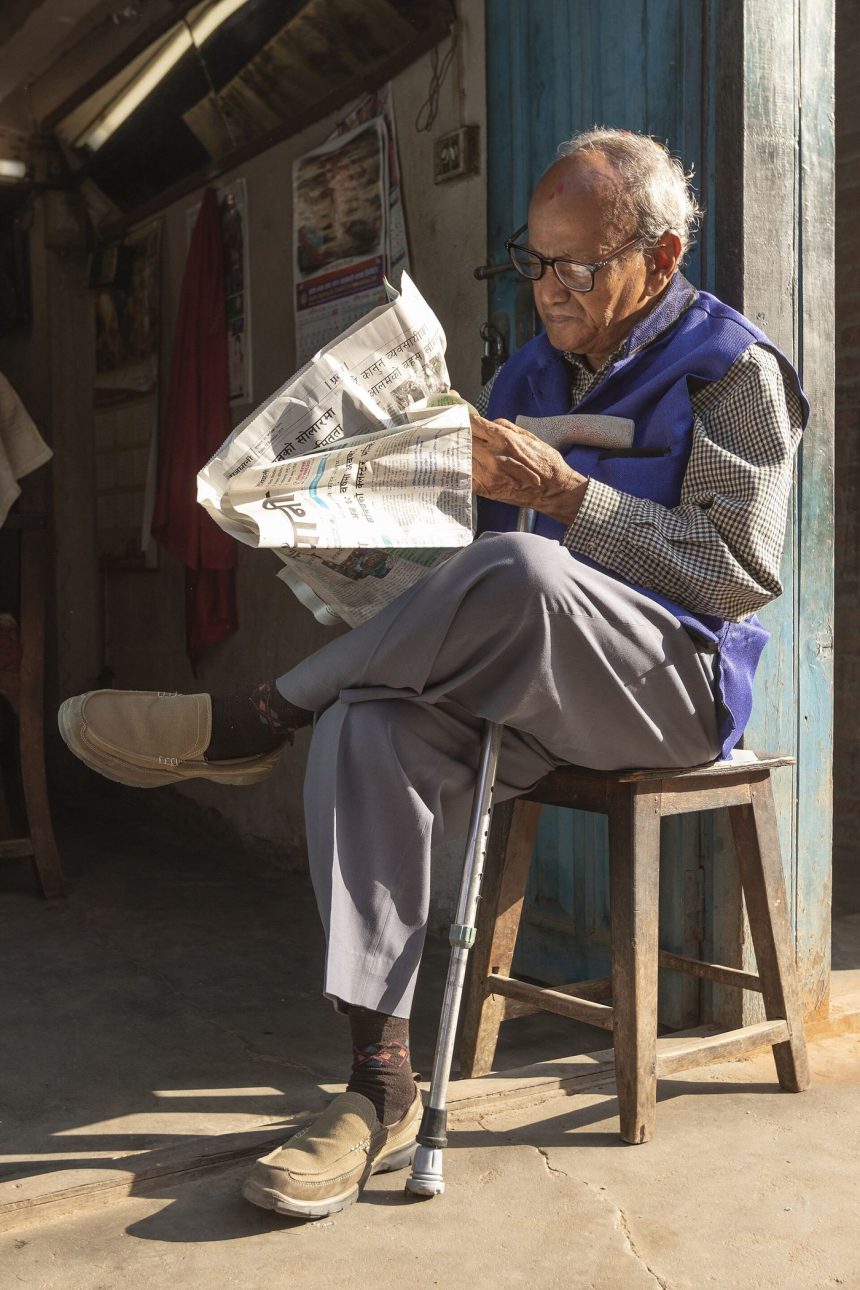
The newspaper took an hour and arrived once. Its replacement arrives constantly and is consumed in minutes: the briefing — a tight, curated stack of the day’s essential stories, designed to be finished with the coffee. Newsletters, morning podcasts, aggregator digests and the lock-screen stack all serve the same ritual. Understanding the briefing is understanding modern news itself, because the form now decides what most people know about the world.
Why the briefing won
It solved the two curses of digital news: infinity and guilt. The infinite feed left readers permanently behind; the briefing promises an ending — these seven things, and you are caught up. It also fits the actual day: consumed on trains, in queues, between meetings, in the stolen minutes where news now lives. Editors of the format describe their real competitor as not other outlets but the reader’s calendar. Research on news habits from the Reuters Institute documents the shift across dozens of countries: selective, scheduled, snackable news consumption is now the majority behaviour.
What the form selects — and drops
Five minutes cannot hold the world, so the briefing edits by consequence and novelty: wars, markets, weather, the big domestic argument, one delight. What it drops is everything slow — the court case grinding on, the policy consultation, the local council — news whose importance is cumulative rather than dramatic. A diet of pure briefing leaves a reader informed about events and ignorant of processes, fluent in headlines and shaky on causes. Our own daily briefing is built with that bias confessed on the label — and with links outward, deliberately, to the slower journalism underneath.
Using the briefing well
The format works best as a map, not a meal: five minutes to learn what matters, then a chosen fifteen, later, on the one story that deserves it. Readers who adopt the two-speed habit report the rarest sensation in modern media — feeling informed without feeling hunted. The briefing is not the enemy of depth. Used as a front door rather than the whole house, it may be depth’s best recruiter.
There is a craft honour among briefing writers worth noting: the form forbids padding. Every item must justify its thirty seconds against the reader’s whole day, a discipline from which longer journalism could borrow. Brevity at this level is not the absence of reporting. It is reporting, distilled by people who did the reading so you don’t have to.
Choose your briefing the way you would choose a guide: for its judgement yesterday, not its speed today. Anyone can be first with the headline. The briefing worth your five minutes is the one that, a week later, turns out to have chosen the stories that mattered.